Windows
uPVC windows
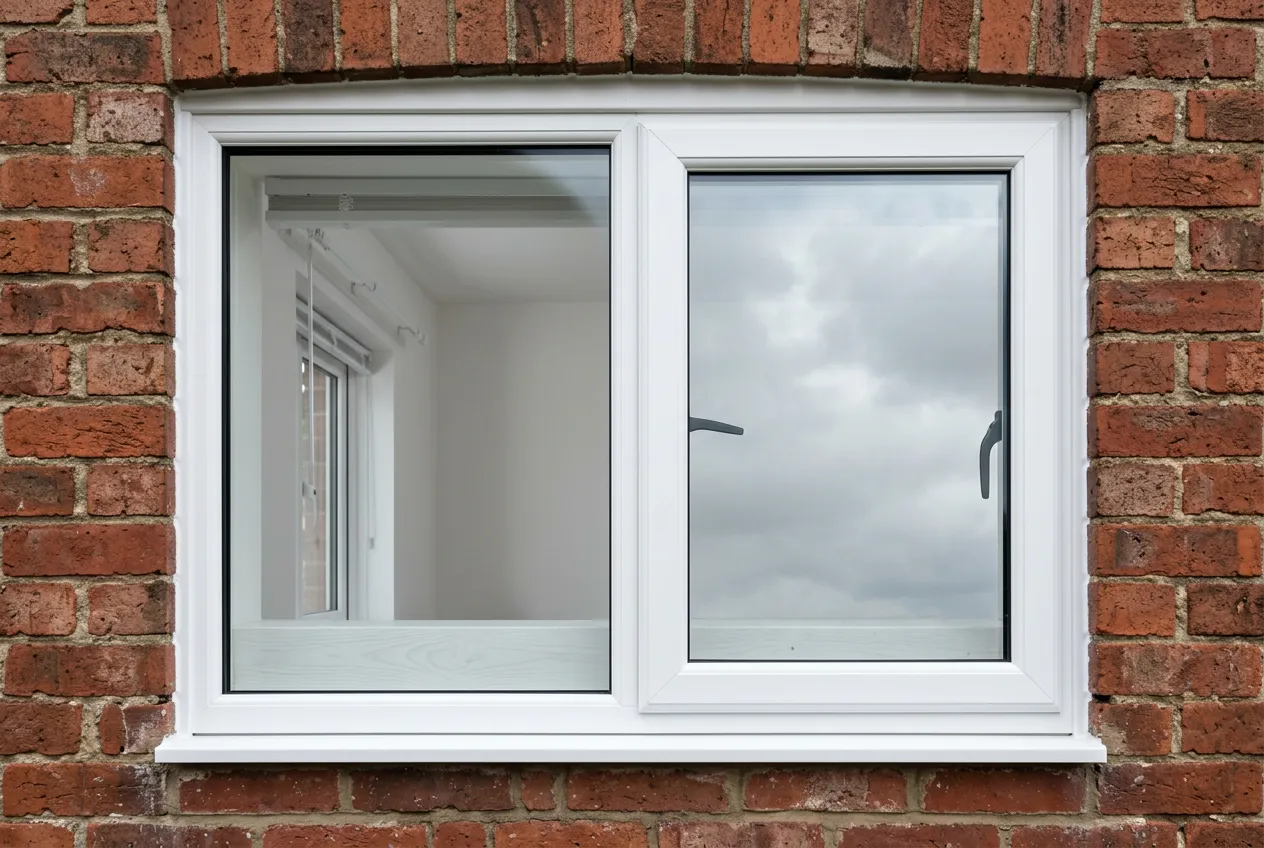
uPVC windows are the most common replacement in the UK, typically £400 to £850 per window supplied and fitted. They need almost no maintenance, insulate well for the money, and come in woodgrain foils as well as white. The trade-off is bulkier frames than aluminium and a shorter life than good timber.
If you are replacing windows on an ordinary house and nobody has told you otherwise, uPVC is probably what you are being quoted for. It is worth understanding what separates a good uPVC window from a cheap one, because the gap is wider than the price suggests.
Indicative guide, not a quote
per window, supplied and fitted
£400 – £850
These figures come from published industry price guides, not official statistics, and several of those sources are installers or comparison sites with a commercial interest. They are a starting point for a conversation, not a quote. Your installer sets the actual price after measuring.
Costwise UK new windows cost guide · checked 2026-10-09
What you are actually paying for
Two uPVC windows that look identical in a showroom can differ substantially. The things that matter are the number of chambers in the profile, whether the frame is steel-reinforced, the quality of the hardware, and the glass unit itself.
- Profile chambers. More internal chambers means better insulation and more rigidity. Five chambers is a reasonable baseline.
- Reinforcement. Larger openers need galvanised steel or thermally broken reinforcement, or they bow over time.
- Hardware. Hinges, handles and locking mechanisms are where cheap windows fail first, usually within five years.
- The sealed unit. Warm-edge spacer bars and argon fill make a measurable difference to the U-value and cost little extra.
What the regulations require
In England and Wales, replacement windows must meet Approved Document L: a U-value no worse than 1.4 W/m²K, or Window Energy Rating band B. Any competent installer quotes to this as standard, and a quote that does not mention it is worth questioning.
Approved Document F also means most replacements now need trickle vents. Some homeowners dislike them; they are not optional on a compliant job, and an installer who offers to leave them off is offering to break the regulations on your behalf.
Where uPVC is the wrong answer
uPVC is a poor fit in three situations. In a conservation area with an Article 4 direction, the council may refuse it outright. In a listed building you will almost certainly need listed building consent and will almost certainly not get it for uPVC. And on very large openings, uPVC frames have to be thick enough to stay rigid, which eats into the glass area and can look heavy.
If any of those apply to you, look at timber, aluminium or secondary glazing instead.
uPVC windows: common questions
- How long do uPVC windows last?
- A well-made uPVC window with decent hardware should give 20 to 25 years. The frame usually outlives the moving parts, so hinges, handles and locks are the components most likely to need replacing first.
- Do uPVC windows yellow?
- Modern profiles are far more UV-stable than those from the 1990s and good ones hold their colour. Cheap recycled-content profiles can still discolour on south-facing elevations, which is one reason the profile brand is worth asking about.
- Can I get uPVC windows in a colour other than white?
- Yes. Foiled finishes including anthracite grey, cream and several woodgrains are widely available. Coloured foils usually add somewhere between 10 and 20 per cent to the cost, and dual-colour frames cost a little more again.
Other windows
-
Aluminium windows
£600 – £1,250 fitted
Aluminium windows cost £600 to £1,250 fitted. Why the slim sightlines matter, what a thermal break does, and whether the extra over uPVC is worth it.
-
Timber windows
£800 – £1,600 fitted
Timber windows cost £800 to £1,600 fitted. Why modern engineered timber is not the wood you remember, the real maintenance, and when it is compulsory.
-
Casement windows
£400 – £850 fitted
Casement windows are the most common UK style and the cheapest to replace. Side-hung or top-hung, fire escape rules, and flush versus stormproof.
-
Sash windows
£800 – £1,800 fitted
Sash windows cost £800 to £1,800 fitted. Cords and weights versus spiral balances, when repair beats replacement, and fitting double glazing.
-
Tilt and turn windows
£400 – £850 fitted
Tilt and turn windows open two ways: a secure vent, or fully inwards for cleaning and escape. Why flats and upper floors usually choose them.
-
Bay and bow windows
£1,500 – £3,000 fitted
Bay and bow windows cost £1,500 to £3,000 fitted because many carry structural load. The difference between them and what a survey must check.
TrustedGlazing does not make, supply or fit windows and doors, and the prices above are published industry guides rather than our own. We match your enquiry to one vetted local installer, who quotes and contracts with you directly.