Windows
Secondary glazing
Secondary glazing adds a second, independent window inside the existing one rather than replacing anything. It is the standard solution for listed buildings and strict conservation areas, usually needs no consent because nothing outside changes, and is the strongest option for reducing noise.
Secondary glazing is frequently dismissed as a compromise. For noise it is not a compromise at all, and for a listed building it is often the only thing you are permitted to do.
Indicative guide, not a quote
per window, supplied and fitted
£400 – £1,800
These figures come from published industry price guides, not official statistics, and several of those sources are installers or comparison sites with a commercial interest. They are a starting point for a conversation, not a quote. Your installer sets the actual price after measuring.
Costwise UK new windows cost guide · checked 2026-10-09
Why it beats replacement for noise
Acoustic performance depends heavily on the distance between panes. A sealed double-glazed unit has a cavity of perhaps 20mm. Secondary glazing sits 100mm or more inside the original window, and that much larger air gap is what makes the difference.
If your main problem is traffic, a flight path or a railway, secondary glazing will usually outperform a replacement double-glazed window.
The consent advantage
Because it is fitted inside and nothing visible from the street changes, secondary glazing normally falls outside the consents that govern window replacement. In a listed building it is often accepted where replacing the windows would be refused outright.
Listed building consent can still apply to internal alterations, so confirm with your conservation officer rather than assuming. The conversation is usually a short one.
Living with it
The honest drawbacks are that you have two windows to open and two sets of glass to clean, and that an unsympathetic installation can look like what it is. Slim aluminium systems in a colour matched to the existing frames are considerably less obtrusive than older designs.
It also pairs well with draught-proofing the original window, since the two address different parts of the same problem.
Secondary glazing: common questions
- Does secondary glazing need planning permission?
- Usually not, because nothing visible from outside changes. In a listed building, internal alterations can still require listed building consent, so check with the conservation officer before ordering.
- Is secondary glazing as good as double glazing?
- For noise it is generally better, because of the much wider air gap. For heat loss, a modern replacement window performs better, though secondary glazing over single glazing is still a large improvement.
- Will it cause condensation?
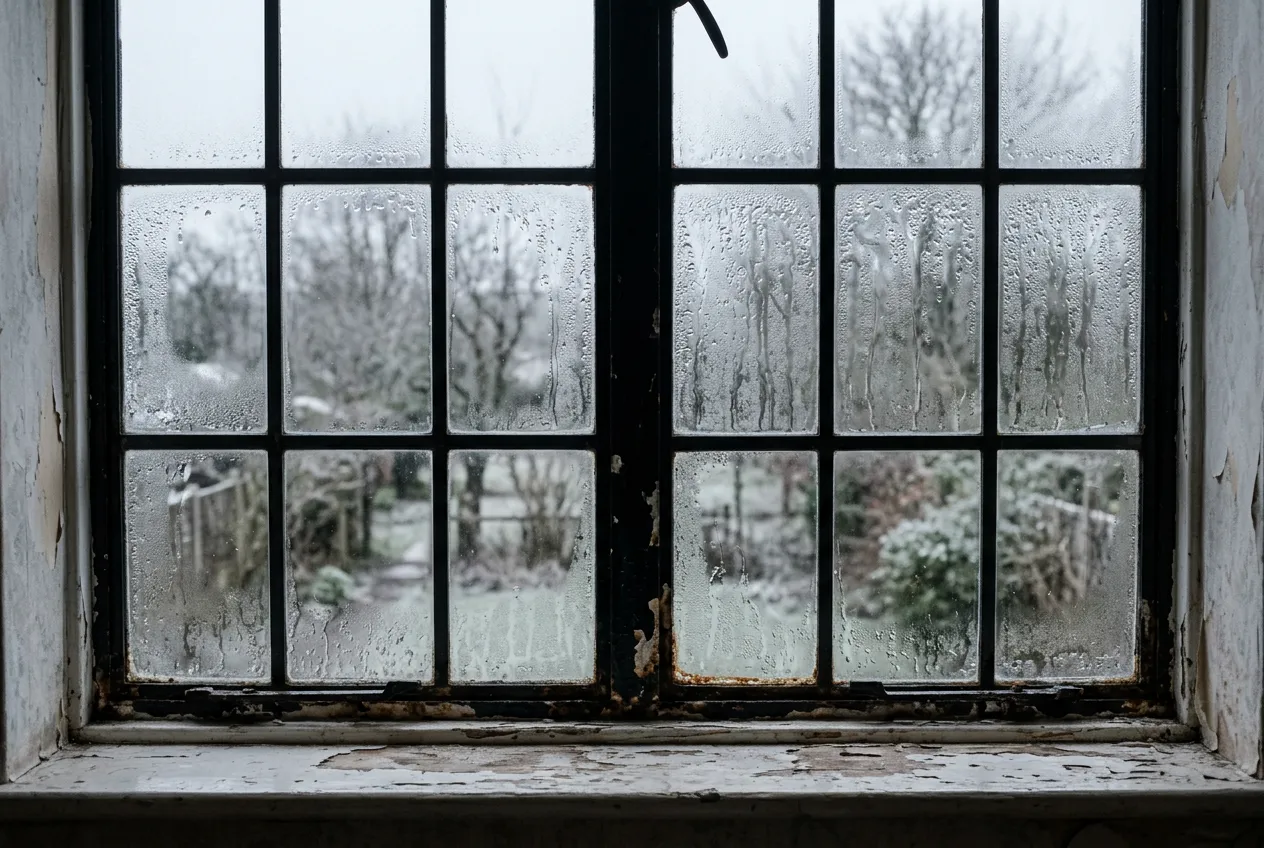
- It can if the cavity is not ventilated to the outside, because moist room air reaching cold original glass will condense. A properly designed system manages this, and it is worth asking how.
Other windows
-
uPVC windows
£400 – £850 fitted
uPVC windows cost £400 to £850 fitted. What separates a good one from a cheap one, what the regulations require, and when uPVC is the wrong choice.
-
Aluminium windows
£600 – £1,250 fitted
Aluminium windows cost £600 to £1,250 fitted. Why the slim sightlines matter, what a thermal break does, and whether the extra over uPVC is worth it.
-
Timber windows
£800 – £1,600 fitted
Timber windows cost £800 to £1,600 fitted. Why modern engineered timber is not the wood you remember, the real maintenance, and when it is compulsory.
-
Casement windows
£400 – £850 fitted
Casement windows are the most common UK style and the cheapest to replace. Side-hung or top-hung, fire escape rules, and flush versus stormproof.
-
Sash windows
£800 – £1,800 fitted
Sash windows cost £800 to £1,800 fitted. Cords and weights versus spiral balances, when repair beats replacement, and fitting double glazing.
-
Tilt and turn windows
£400 – £850 fitted
Tilt and turn windows open two ways: a secure vent, or fully inwards for cleaning and escape. Why flats and upper floors usually choose them.
TrustedGlazing does not make, supply or fit windows and doors, and the prices above are published industry guides rather than our own. We match your enquiry to one vetted local installer, who quotes and contracts with you directly.