Regulations · 05 of 11
Windows in a listed building
Altering windows in a listed building needs listed building consent, and that applies inside as well as out. Consent for uPVC is very rarely granted. Repairing original windows and adding secondary glazing is usually the realistic route, and doing work without consent is a criminal offence.
Listed building rules are stricter than most people expect and the consequences are more serious than planning breaches. It is worth being careful here.
What consent covers
Listing covers the whole building, not just the front, and not just the outside. Interior features are included, and so are later extensions in many cases.
Replacing windows is almost always an alteration affecting character, so it needs consent. Carrying out work without it is a criminal offence rather than a planning breach, which is the part that surprises people. There is no time limit after which unauthorised work becomes lawful.
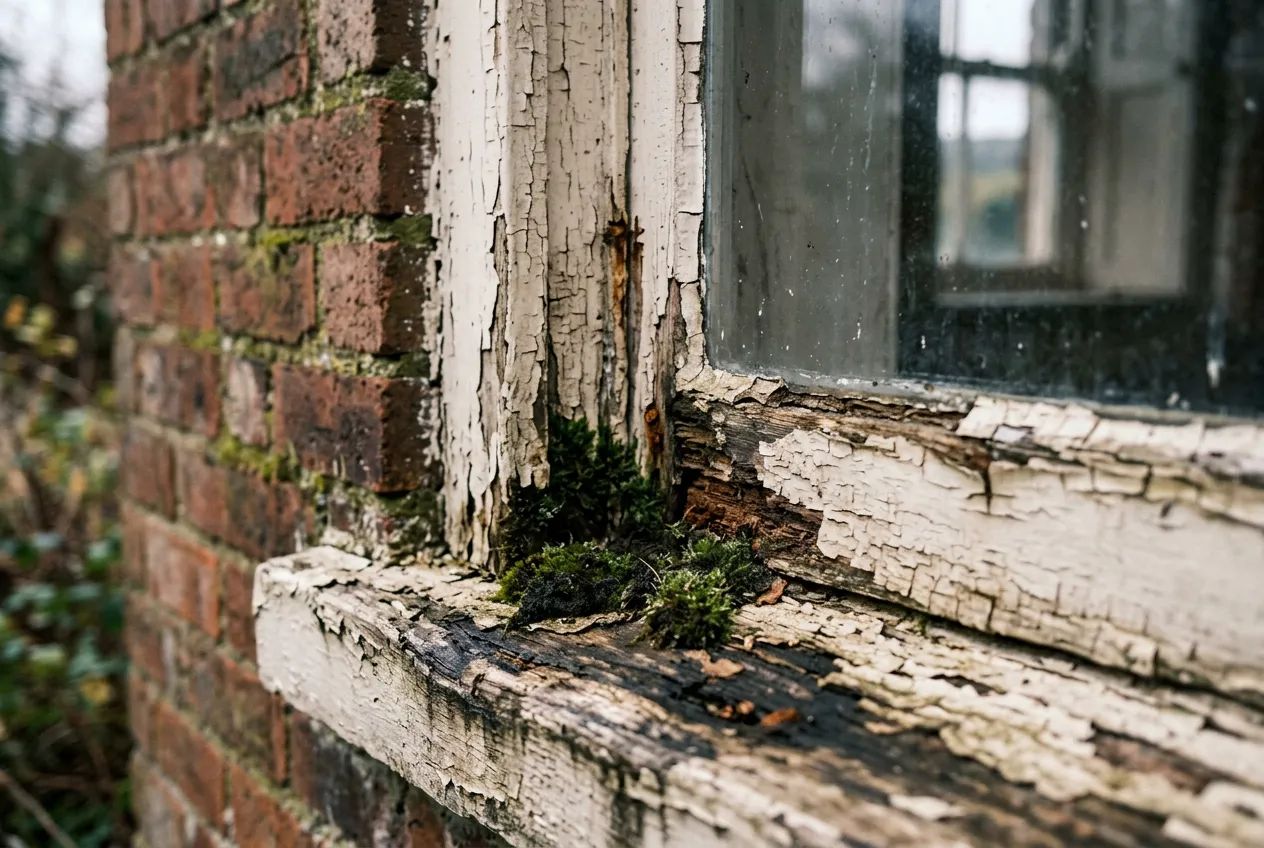
Before
Decay at the joint with failing paint and crumbling putty. Repairable far more often than it looks.
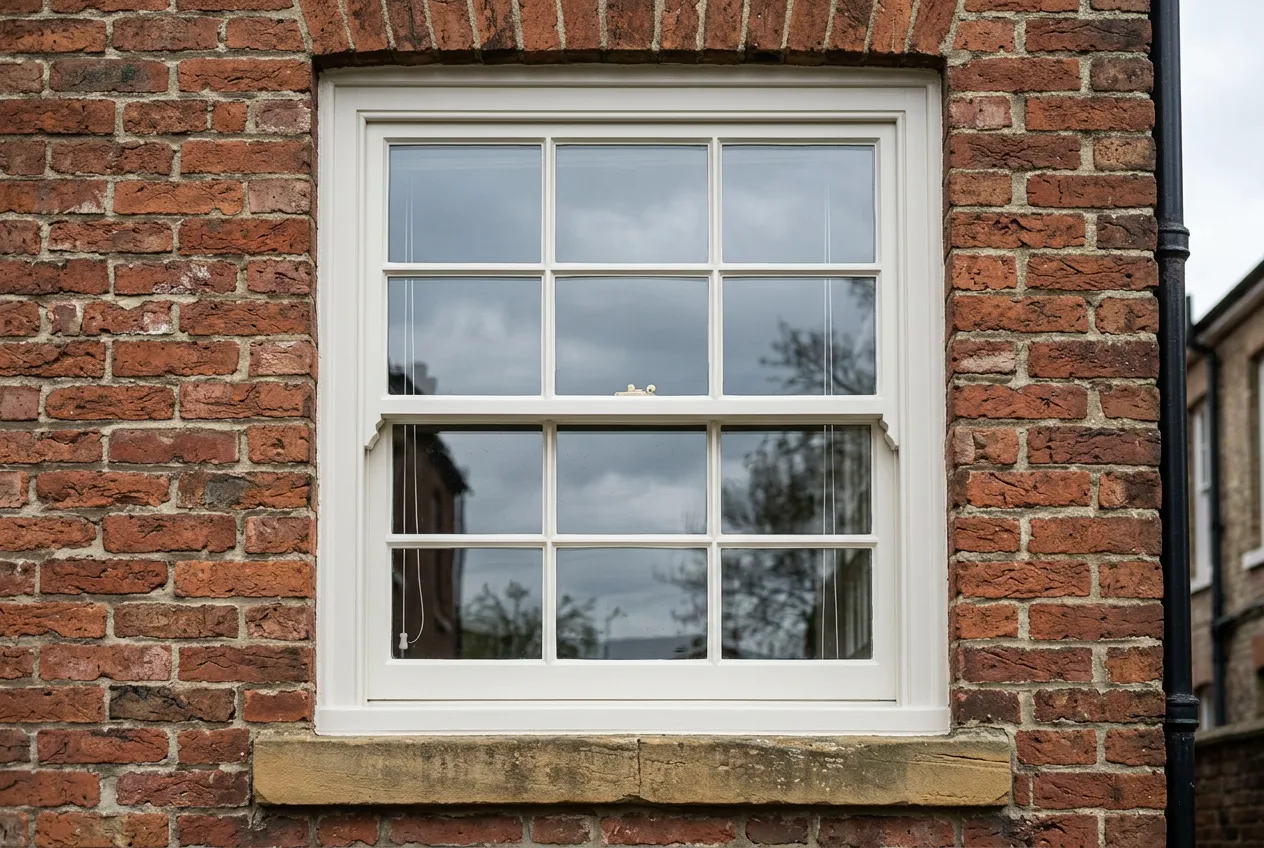
After
The same kind of joinery repaired and repainted, keeping the original glass and proportions.
What you can usually do
Conservation officers generally start from repair rather than replacement, and original joinery is usually repairable even when it looks beyond saving.
- Repair the existing windows. Splicing in new timber, replacing cords and draught-proofing addresses most comfort complaints.
- Secondary glazing. Usually the accepted route to real thermal and acoustic improvement, since nothing outside changes. Internal alterations can still need consent, so ask.
- Slim-profile double glazing in original frames. Sometimes accepted where the rebate allows, and sometimes refused on the grounds of losing historic glass.
- Like-for-like replacement where a window is genuinely beyond repair and the replacement matches exactly.
Historic glass is part of the listing
Old glass has visible distortion from how it was made, and that irregularity is considered part of the building’s character. Replacing it with flat modern glass changes the appearance in a way conservation officers notice and object to.
If your windows have original glass, say so early. It often shifts the conversation decisively towards repair plus secondary glazing, and it is a strong argument for keeping what you have.
Questions
- Can I put double glazing in a listed building?
- Sometimes, using slim-profile units in repaired original frames, but it is decided case by case and frequently refused. Secondary glazing is the route that is usually accepted.
- Does listing only apply to the outside?
- No. It covers the whole building including the interior, and often attached structures. Internal alterations can need consent just as external ones do.
- What if previous owners fitted uPVC without consent?
- The liability runs with the building, not the person, and there is no time limit. Speak to the conservation officer about regularising it, and expect reinstatement in the original material to be part of the answer.
Note This guide is general information about England and Wales, not advice about your specific property. TrustedGlazing is an introducer and does not install, survey or quote. Rely on your installer's survey and your local authority for decisions about your own home.